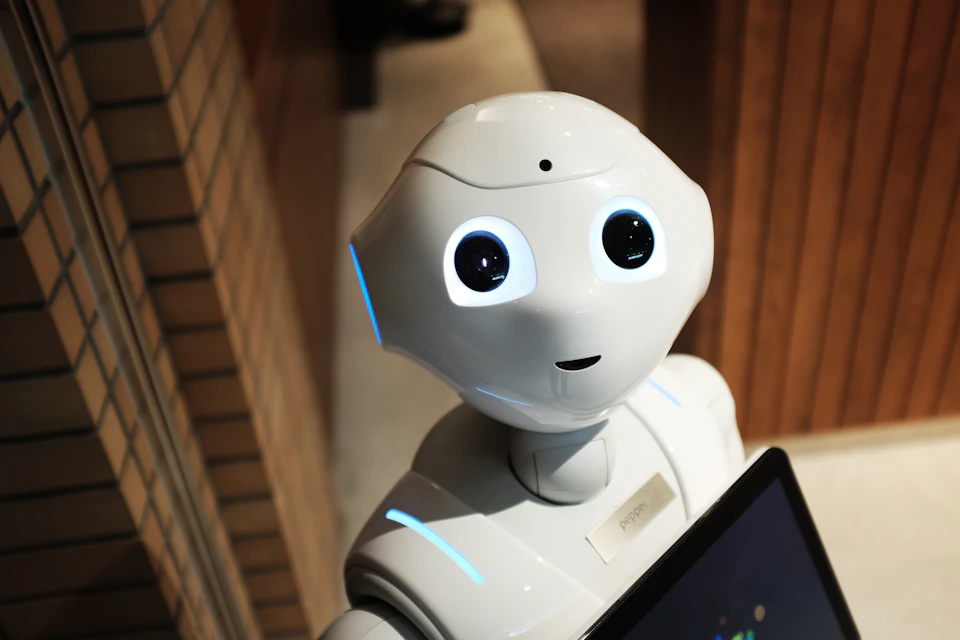
AI Running Coaching vs Human Coaching: The Truth Behind the Algorithms
Artificial intelligence has quietly moved into nearly every aspect of modern life, and running is no exception. What was once the domain of experienced coaches and carefully structured training logs is now increasingly being handed over to algorithms, apps, and automated feedback systems. AI running coaching platforms promise a future where your watch, your phone, and a machine-learning model can guide you to your next personal best.
Is AI Running Coaching Really Coaching?
To understand this shift, it is necessary to look at how these AI platforms actually function. Most systems rely on a combination of user inputs and wearable data. A runner enters their goal race, current fitness level, and availability, and the platform produces a structured programme. Over time, that programme is adjusted based on incoming data such as pace, heart rate, and estimated VO₂ max, typically pulled from devices like Garmin watches.
One of the most prominent platforms in this space is Runna, which has seen rapid global growth. Marketed as an AI coach, Runna gives the impression of intelligent, adaptive training. However, a closer examination reveals that its foundation is built on structured programmes designed by human coaches. The "AI" component largely sits on top of these templates, making rule-based adjustments rather than deeply learning the athlete in a dynamic or intuitive way.
Accuracy of Data
This is where the cracks begin to show. Wearable technology, particularly GPS-based devices, is far from perfect. A study examining the accuracy of Garmin GPS running watches found consistent measurement errors in distance and pace, even when tested repeatedly on the same route. These discrepancies are caused by satellite positioning issues, environmental interference, and device limitations.
In practical terms, this means that an AI system could be adjusting your training based on flawed inputs. A slightly inaccurate pace reading or an overestimated distance might seem insignificant in isolation, but when fed into an algorithm that is constantly recalibrating your programme, those small errors can compound into meaningful training miscalculations.
The Real Difference Between Computers and Coaches
Yet the most significant limitation of AI coaching lies not in the technology itself, but in what it fundamentally cannot understand. Running is not purely a numbers game. It is shaped by fatigue, stress, motivation, lifestyle, and emotion. An algorithm cannot truly interpret the difference between a tough session caused by poor sleep, a demanding work week, or the early signs of illness.
"AI is a tool. Running is you, your training, your mood, psychological state and more. It's not an algorithm. A computer can only work with the numbers fed to it by wearable tech. The most important metrics, it cannot make sense of." — David Ashworth
This is where the value of a human coach becomes undeniable. A coach does not simply analyse numbers; they interpret meaning. They recognise patterns that extend beyond metrics and adjust training based on a holistic understanding of the athlete. They know when to push and when to hold back, when to adapt a session and when to scrap it entirely.
"AI is real cute. But you are not a Tamagotchi. You still need to put in the training! Running is, and always has been a physical extension of our emotions, and not of our computers." — David Ashworth
At A-Team Coaching, the approach is fundamentally different. Technology is embraced, but never relied upon blindly. Data is analysed, but always interpreted through the lens of experience. Training is not generated by an algorithm, but shaped by expert coaches who understand the complexities of performance.