Understanding Energy Systems for Better Running
How Your Body Fuels Performance
When you lace up your shoes and head out for a run — whether it's a 100m sprint, a 10K race, or an ultra-marathon — your body taps into an intricate system of energy production. These energy systems determine how fast, how far, and how efficiently you can go.
The Three Primary Energy Systems
1. ATP-PC System (Phosphagen System): The Power Surge
Duration: 0–10 seconds. Used for: Explosive, high-intensity efforts like sprints. Fuel source: Stored ATP and phosphocreatine.
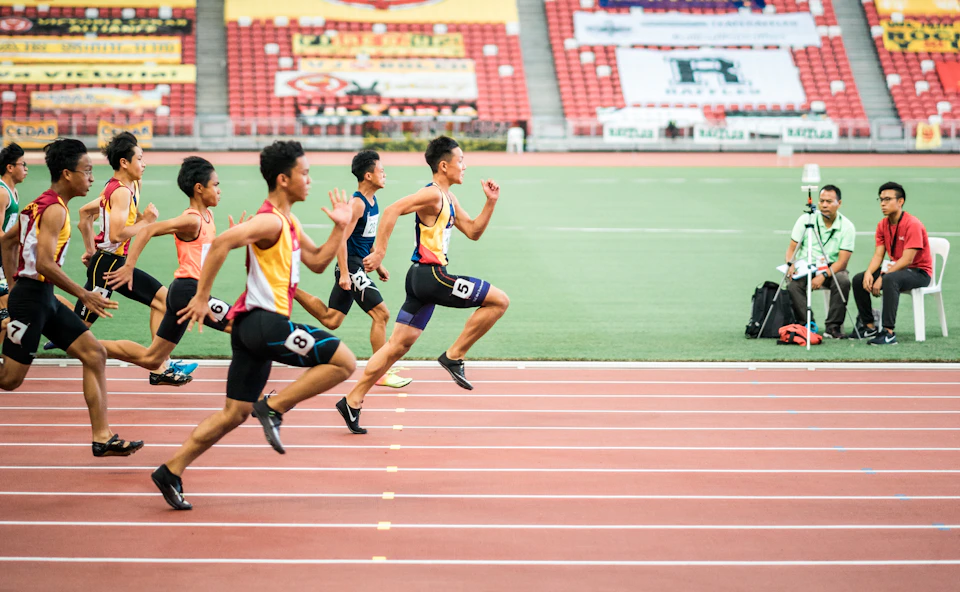
This is your body's emergency generator — instant power, no oxygen required. Think: a 100m sprint or a sudden surge to overtake someone in the final stretch. Training Tip: Hill sprints, short intervals (under 10 seconds), and plyometric drills.
2. Anaerobic Glycolysis (Lactic Acid System): The Middle Gear
Duration: 10 seconds – 2 minutes. Used for: Middle-distance races (400m to 800m), tempo surges. Fuel source: Muscle glycogen. By-product: Lactate and hydrogen ions.
This system kicks in when the demand for energy outpaces your oxygen supply. Despite the myth, lactic acid isn't bad — in fact, lactate can be reused as fuel! But when production exceeds clearance, fatigue sets in. Training Tip: Tempo runs, intervals between 30 seconds and 2 minutes.
3. Aerobic System: The Endurance Engine
Duration: 2 minutes – several hours. Used for: Long-distance runs, marathons, ultras. Fuel source: Carbohydrates and fat (with oxygen).
This is your body's cruise control — slower to start but built for the long haul. The better your aerobic system, the more efficiently you can burn fat and spare glycogen. Training Tip: Long runs, easy-paced runs, and Zone 2 training.
Why It Matters
| Race Distance | Primary Energy System |
|---|---|
| 100m–200m | ATP-PC |
| 400m–800m | Anaerobic Glycolysis |
| 1500m–5K | Mixed |
| 10K–Marathon | Aerobic |
| Ultra | Aerobic (with fat metabolism) |
Running performance comes from the sum of your muscle recruitment, meaning that all three energy systems are engaged to varying degrees. No matter your race distance, training all of them is essential.